
Pakistan is a haven of beautiful landscapes, historic sites, peaceful valleys, and vibrant cities. If you are seeking nice places to visit in Pakistan, you will find so much more than a few established tourist places in Pakistan. There is amazing diversity in landscape and familiarity in the country, from the high Karakoram mountains in the north to the Arabian Sea in the south.
Each region has its own taste, from the lush surroundings of Swat Valley, Neelum Valley, and Naran Kaghan to the great heights of Hunza Valley and Skardu Valley. Pakistan also has nice places like historical archaeological sites, Mughal architecture, medieval forts, cultural activities, traditional food, and friendly people.
This kind of travel appeals to anyone interested in Pakistan travel. One trip could take you to glacial lakes, mountain roads, and alpine meadows; the other could take you to historic cities and ancient civilizations. Families can enjoy convenient access to valleys, lakes, gardens, and cultural sites, while adventurous travelers can focus on hiking and camping.
This guide contains some of the most beautiful and interesting nice places in the country. Pakistan has many famous places and also hidden nice places that are not well known. It helps you know when to go, what to expect in different destinations, and how to arrange a prudent trip.

Table of Contents
1. Most Nice Places to Visit in Pakistan
The topography of Pakistan is very diverse. Beaches, deserts, archaeological sites, and coastlines are found in the south, while the north boasts some of the highest mountains on earth, with rivers, woods, old cities, traditional communities, and fertile plains in between.
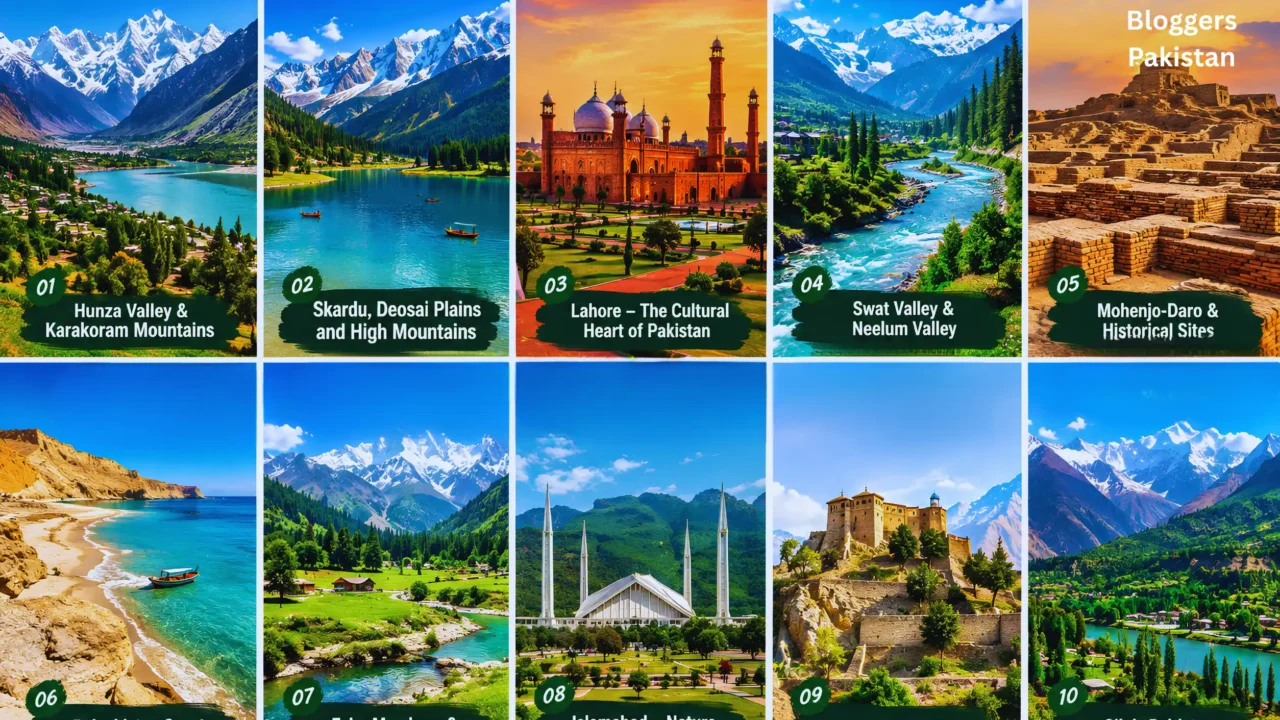
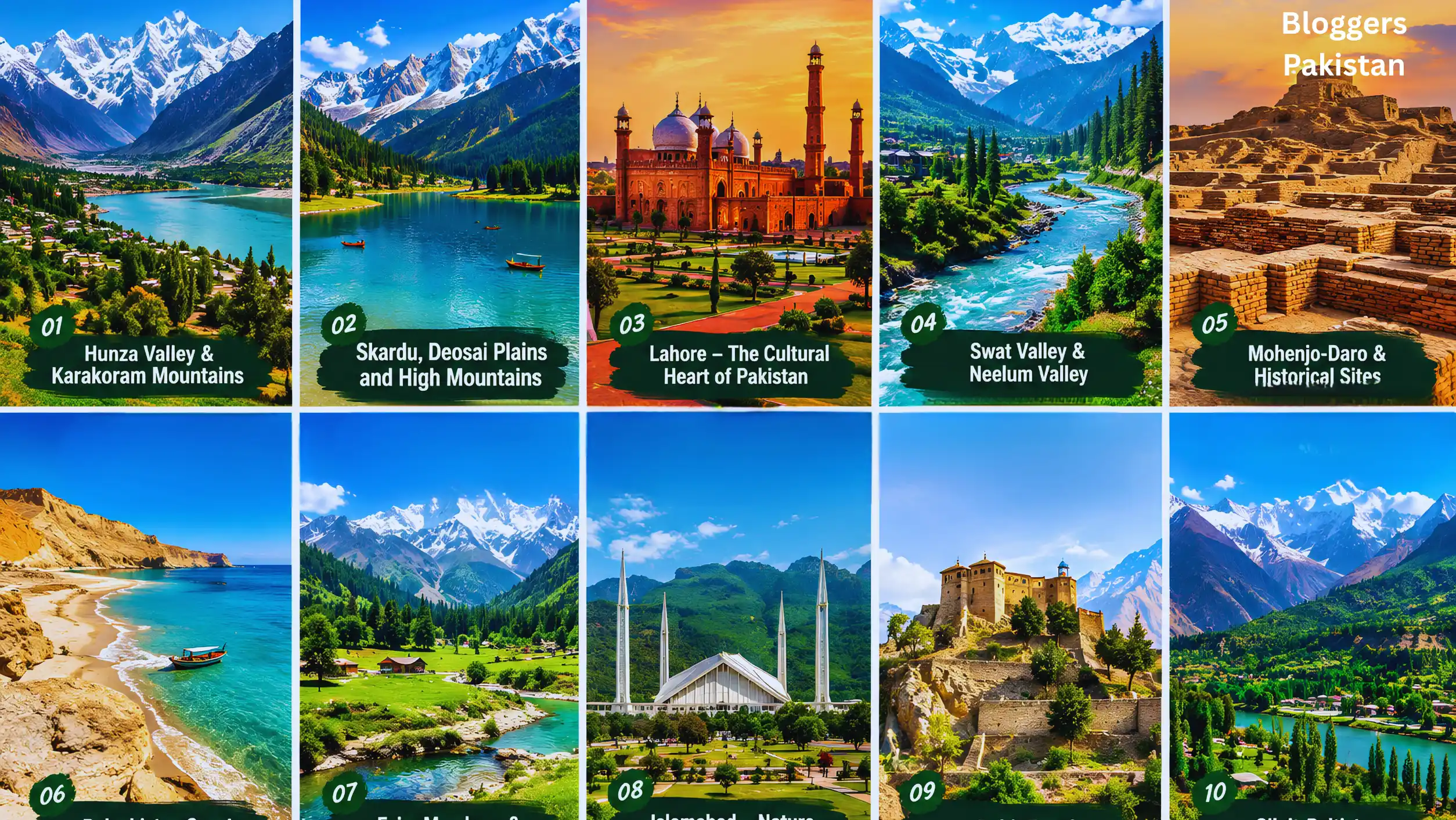
Pakistan’s most renowned charms include Hunza Valley, Skardu, Fairy Meadows, Nanga Parbat, Deosai, Neelum Valley, Swat, Chitral, Lahore, Islamabad, Mohenjo-Daro, and the Balochistan Coast.
For longer trips, it’s better to concentrate on a few nice places rather than attempt to see everything in one go. Enjoy the beauty of the landscape and travel to high altitudes in Gilgit-Baltistan. Khyber Pakhtunkhwa is famous for its extensive cultural heritage and fertile valleys, rivers, and forests. Sindh has archeological sites that are thousands of years old. Punjab is famous for its Mughal-era towns and monuments, which speak of the historical wealth of the region. Meanwhile, Balochistan province has a long coastline and rugged terrain.
2. Hunza Valley and the Karakoram Mountains
Hunza is one of the most well-known nice places in Pakistan. The valley is situated in Gilgit-Baltistan and is surrounded by the towering peaks of the Karakoram Range. It boasts clean mountain air, terraced agriculture, traditional cultures, and beautiful views.
Karimabad is an obvious place to start. It is a gateway to historic sites, viewpoints, café’s, inns and nearby towns. Baltit Fort is historically important and gives wonderful views of the valley from far above Karimabad.
Another favorite lookout is the Eagle’s Nest, near the Duikar. Here, guests can enjoy far-reaching mountain vistas, especially at sunrise and sunset. That’s why Hunza is often cited as one of the most scenic regions in the country.
Attabad Lake is an added attraction. The lake is a beautiful turquoise, a nice places next to the rough mountains surrounding it. Visitors can enjoy boating and other activities when the weather permits. The lake is also on the way to Upper Hunza, so it’s an easy stop on a longer road trip.
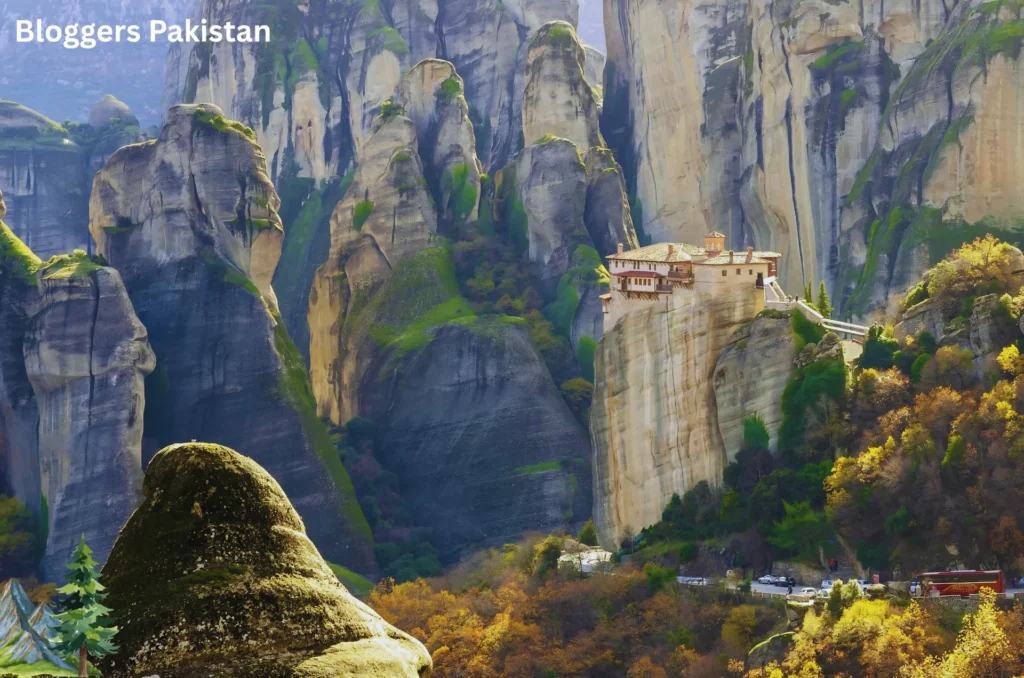
Passu, Upper Hunza, Gojal Valley
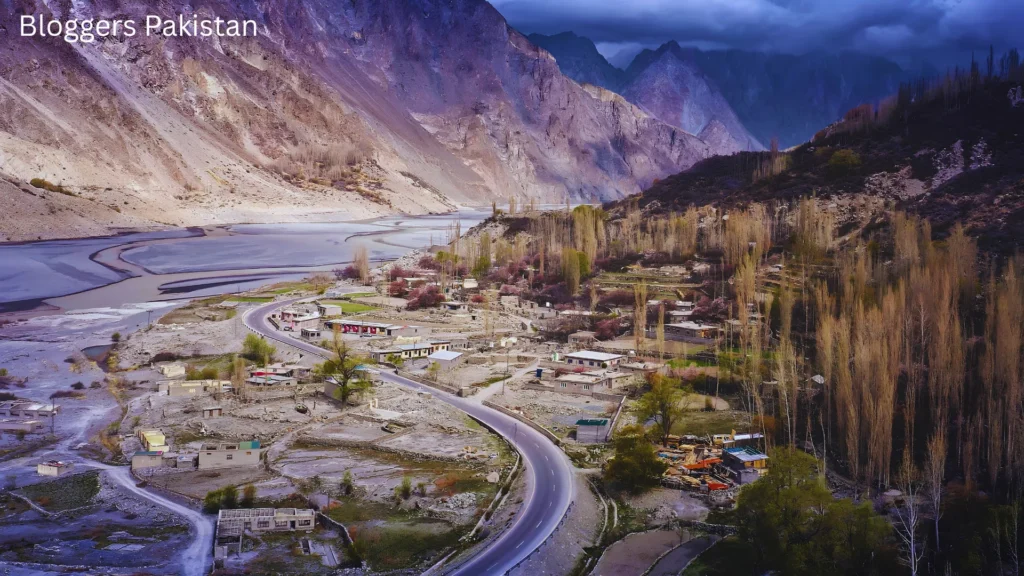
Gojal, or Upper Hunza is one of the most beautiful scenic areas in the region. Passu is famous for its steep mountains called the Passu Cones. These peaks have created some of the most iconic alpine views in Northern Pakistan.
Another popular attraction nearby is the Hussaini Bridge. The surrounding landscape is the main attraction, though crossing or photographing the bridge can be a memorable part of a northern trek.
Further north is the Khunjerab Pass, where the Karakoram Highway climbs to the Pakistan-China border. The travel is part of the adventure, with towering mountains, river valleys, glaciers, and distant communities appearing along the way.
Nagar, Hoper and other parts of Hunza
Above the Nagar Valley, Hoper offers a new view of the Karakoram. If you like glaciers, mountain landscapes, and a quieter atmosphere, then Hoper Valley is a must-see.
For those with extra time, Shimshal, Chapursan, and Misgar are all worth seeing. These are more off-the-beaten-path places, so you will have to prepare more for the trip. Road conditions can change rapidly; thus, local advice is advisable.
Hunza blends casual sightseeing with a serious adventure holiday. You may spend a quiet morning exploring a fort, then drive a mountain path in the afternoon to a secret valley. That mix of environment and culture is one reason the place remains so appealing.
3. Skardu, Deosai Plains, and the High Mountains
Skardu is another key entry point to the highlands of Gilgit-Baltistan. Enormous valleys, rocky plateaus, lakes, meadows, and some of the world’s highest peaks surround it.
Skardu is a fantastic base for exploring nearby sights. You can also visit Basho Meadows, Upper Kachura Lake, and the wider Deosai region. Visitors can also enjoy the local vistas.
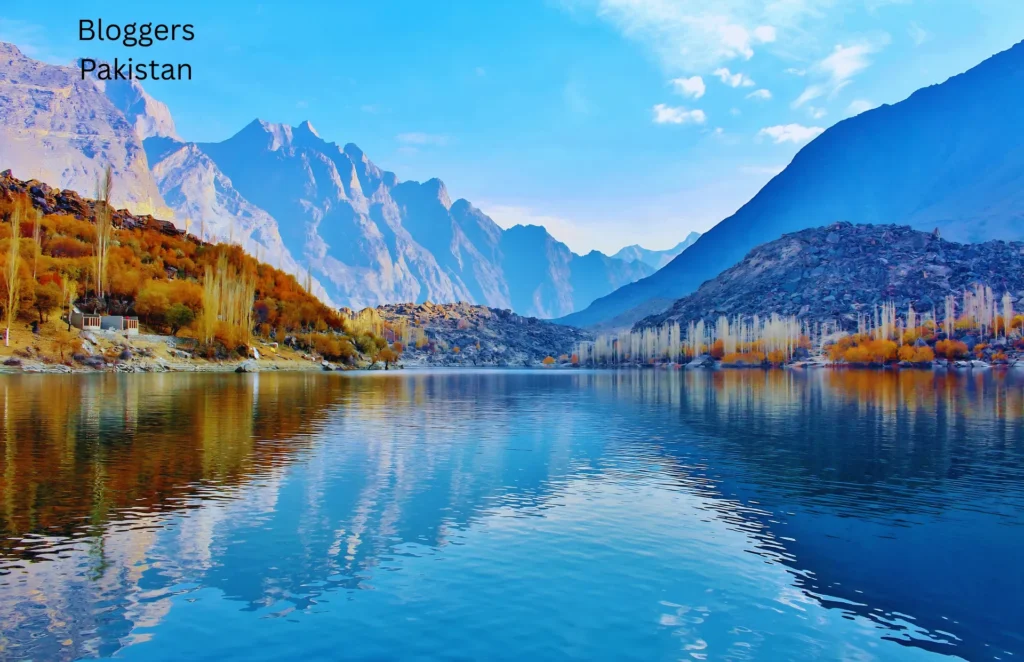
Upper Kachura Lake is famed for its gorgeous mountains and crystal-clear waters and is widely associated with Shangri-La. The lake offers a beautiful contrast to the surrounding arid, rocky environment and is an excellent, nice place to shoot.
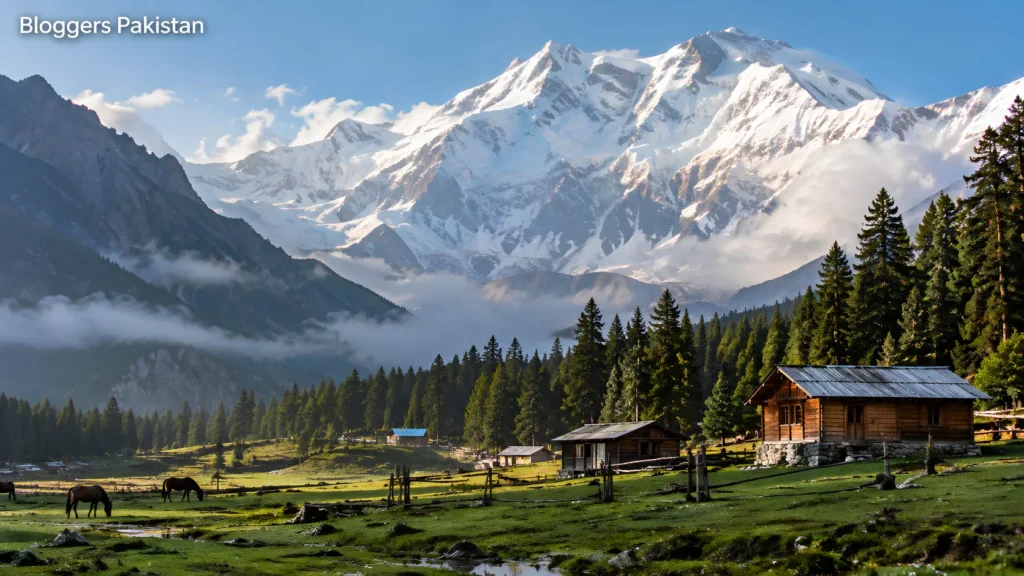
Deosai National Park
Deosai National Park is among Pakistan’s most distinctive landscapes. It is a vast, high-altitude plateau with wide meadows, mountain horizons, streams, and seasonal wildflowers.
One of Deosai’s best-known attractions is Sheosar Lake. The terrain here is much greener and more approachable during the warmer months. Wildlife preservation, including the Himalayan brown bear, is also a part of the region’s identity.
Deosai feels like a universe apart from the little valleys of Hunza. The ground opens into a huge wilderness at high elevation, with towering mountains all around. That immensity draws photographers and vacationers looking for off-the-beaten-path destinations.
Concordia (Basecamp K2)
Skardu also has some of the toughest high-altitude hikes of Pakistan. Concordia is famous for its thickly populated gigantic peaks and is an important halt for trekkers going to the K2 region.
The K2 Base Camp trek is no holiday. It’s a serious piece of work. Good physical condition, correct equipment, professional guides, adequate acclimatization, and realistic planning are needed.
The Snow Lake area is somewhat remote as well. Snow Lake hiking is tough terrain and should be considered a specialized mountain trip, not your run-of-the-mill tourism trip.
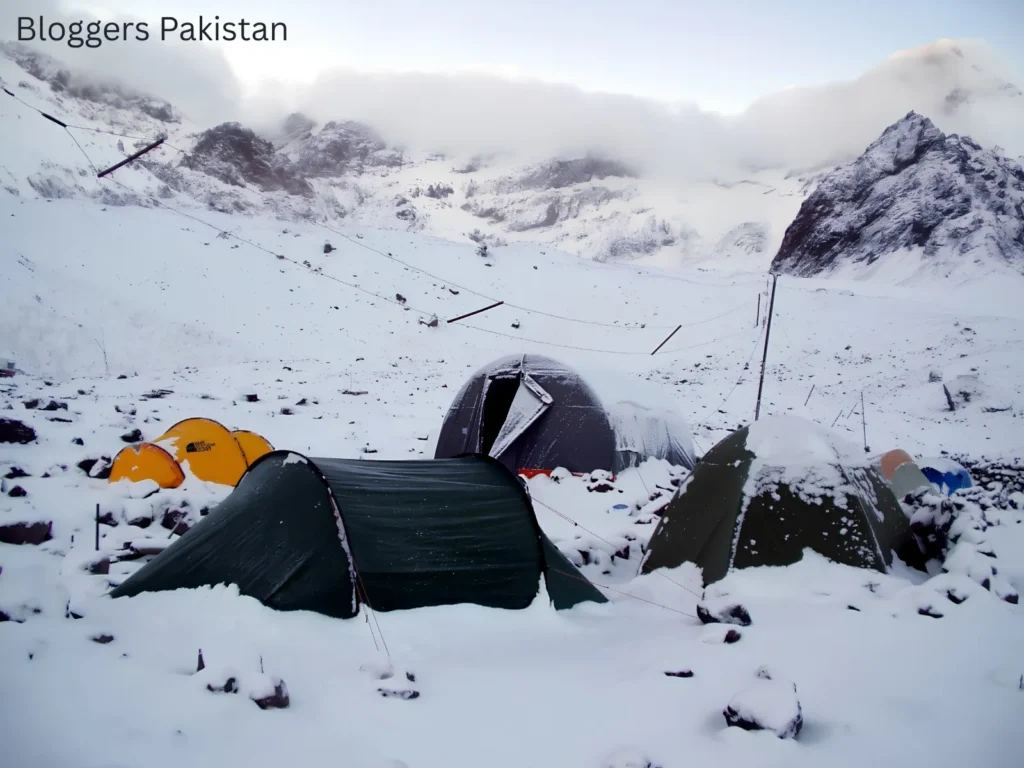
4. Fairy Meadows, Nanga Parbat, and Astore
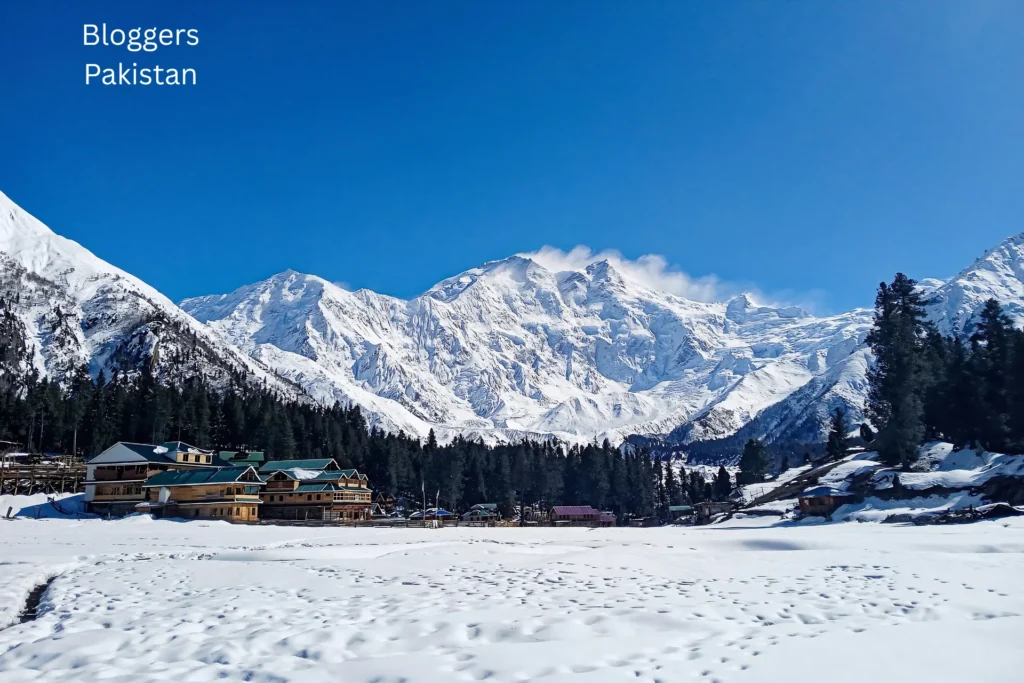
Fairy Meadows is one of Pakistan’s most visible alpine attractions. Below the massive Nanga Parbat, there is a meadow, a beautiful blend of green grass, forest, and snow-capped peaks.
Fairy Meadows is an adventure in itself. The path starts as a rough jeep track and then becomes a trek on foot. Pack layers for changing mountain climates and tough route conditions.
Once at the meadow, the main attraction is the views toward Nanga Parbat. Clouds swirl around the summit in the early morning and late afternoon, and great photo opportunities are often available.
Seasoned hikers can also choose Beyal Camp and the trek to Nanga Parbat Base Camp. These trails are more challenging than your usual day hikes.
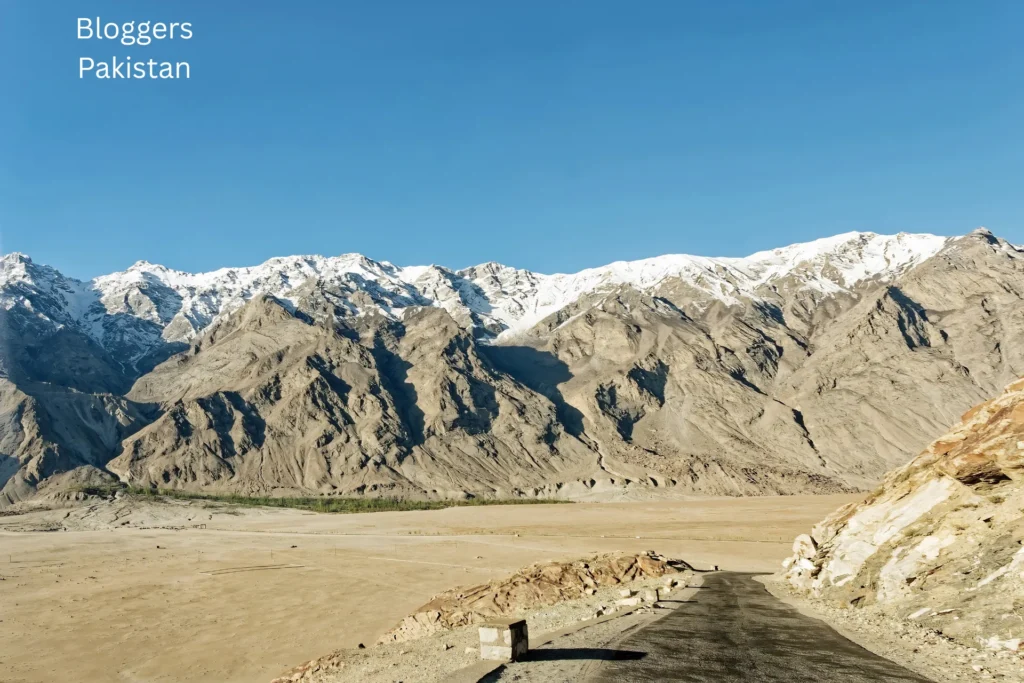
Astore Valley and Rama Meadow
Another beautiful face of northern Pakistan is the Astore Valley. Some parts of Astore can feel even more silent and isolated than more popular nice places.
Rama Meadows is one of its best-known attractions. It is wonderful for photography, a short walk, or just a peaceful outdoor experience with lush meadows, forests, streams, and mountain panoramas.
Best of all, it is a great place for anyone who loves driving over mountains because the route offers varied scenery rather than just one type of beauty.
Fairy Meadows and Astore may be closed based on season, weather, road conditions, and local conditions. Be flexible when visiting high-altitude nice places.
5. Swat, Kalam, Naran, and Kaghan Valleys
The Swat Valley has a very different geography from the dry high mountains of Gilgit-Baltistan. It is known for its forests, streams, waterfalls, green hills, and summer beauty.
Kalam is a popular destination in the upper valley. Travelers will have access to nearby forests, rivers, waterfalls and mountain roads. It suits families and those who enjoy outdoor sports.
Another important road in northern Khyber Pakhtunkhwa is the Naran-Kaghan Valley. The Kunhar River passes through the valley. Lakes and passes are good for tourism and photography.
Lulusar Lake is a major natural attraction on the way. Its beautiful water and mountain scenery make it a popular spot during the accessible season.
Another great nice place is Babusar Pass when the road is open. It is high, so the weather can change quickly, and access can be limited outside of peak season.
There are many outdoor activities in this area such as hiking, camping, fishing, photography, sightseeing, and short nature trips. Some guests choose simple family holidays, while others use the valleys as a base for more strenuous hikes.
Summer months are more appealing for Kaghan Valley, Naran, Kalam, and surrounding areas since roads and nice places are more accessible. But popular destinations can get crowded during peak season, so if you’d like to avoid the crowds, consider visiting in the shoulder season, if you can.
VALLEE DE NALTAR
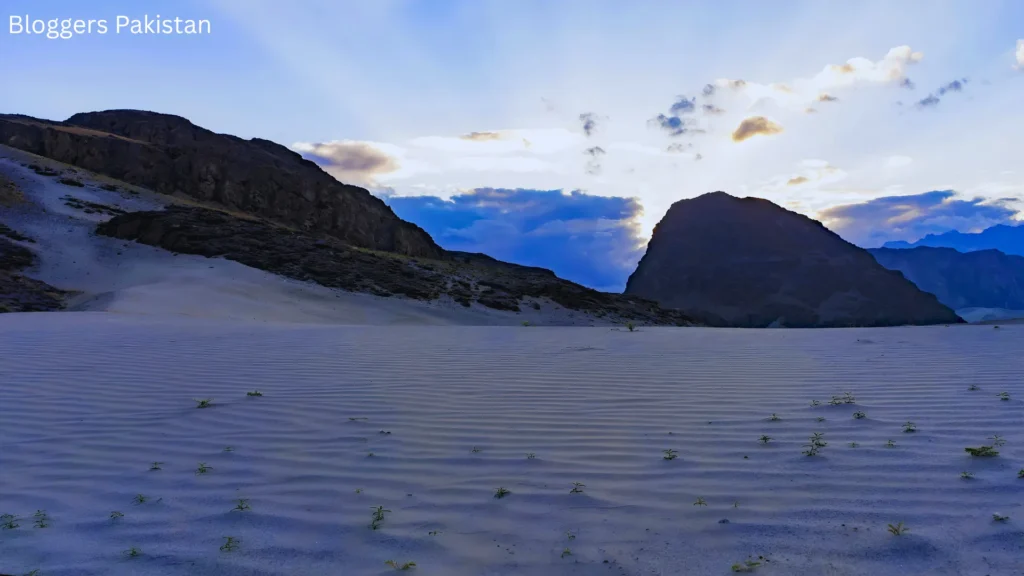
While Naltar is geographically different from Swat, you can include it in a larger trip through Northern Pakistan. It is close to Gilgit and is noted for its trees, mountains, and seasonal lakes.
The valley showcases the magnificent diversity of Northern Pakistan. A relatively broad trip covers barren mountain vistas, rich woods, alpine meadows, and glacier lakes.
6. Neelum Valley, Phander, Chitral and Hidden Valleys
Some of Pakistan’s best-kept secrets are found outside the Country’s most renowned tourist routes. The valleys are quieter, the communities less contemporary, and the feeling of getting away from it all is greater.
The easiest example is the Neelum Valley in Azad Kashmir. Popular stops in the valley include Keran, Sharda, and Kel. The Neelum River runs across the terrain with forest-covered slopes on both sides.
Besides its scenic beauty, Sharda has historical and cultural relevance. Kel is commonly used as a base for reaching higher regions and provides access to larger alpine views.
Yasin and Phander Valleys
Phander Valley, Gilgit-Baltistan, is known for its serene bluish-green water channels. It’s much more peaceful than some of the more famous spots, with mountains, meadows, and streams all around.
Another interesting alternative, if you are looking for something a little off the beaten road, is the Yasin Valley. Its alpine scenery, villages and lifestyle lend themselves to slow travel and photography.
Chitral and Kalash Valley
Chitral of the Hindu Kush is a land of soaring mountains, rich culture and deep history. Its location provides access to many nice places like, secluded valleys and high-mountain tracks.
The Kalash valleys of Bumburet, Rumbur and Birir are unique in their special cultural customs. Respect is crucial when visiting these communities, especially if you are photographing people, homes, religious sites, or festivals.
The Kalafsha are culturally distinct from most other local communities. Their customs, dress, celebrations, and regional traditions are part of Pakistan’s wider cultural diversity.
Shimshal, Broghil, Chapursan, Misgar
Broghil, Shimshal, Chapursan and Misgar are noted for being genuinely off the beaten road. Getting here is harder than at more common tourist spots.
You may drive on bad roads, stay in poor lodgings, face unpredictable weather, and find fewer services available. A good local guide can save your life, especially if you’re unfamiliar with the routes.
The valleys show that Pakistan’s mountain regions are not the only hot spots. The trip itself offers plenty of scenery.
7. Islamabad, Lahore and Pakistan’s Historic Cities
Pakistan is more than simply mountains. Cities with centuries of history, architecture, gastronomy, markets and cultural customs.
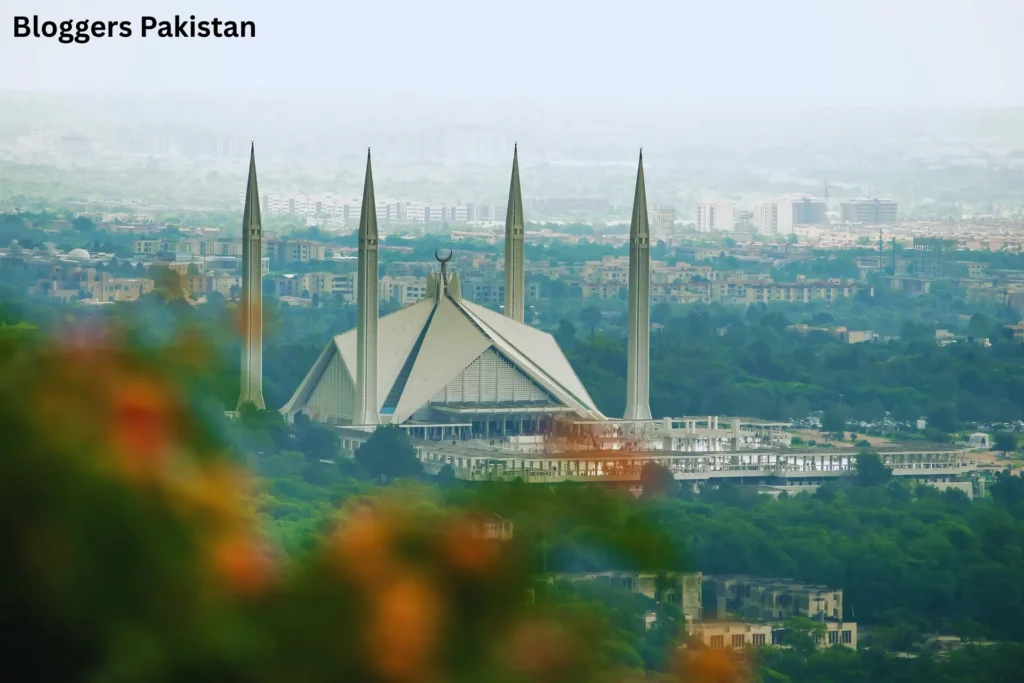
Islamabad is famous for its planned layout, its green spaces and its closeness to the Margalla Hills. Pakistan Monument and Lok Virsa are nice places where one can see the national history and culture of Pakistan. Faisal Mosque is one of the city’s major attractions.
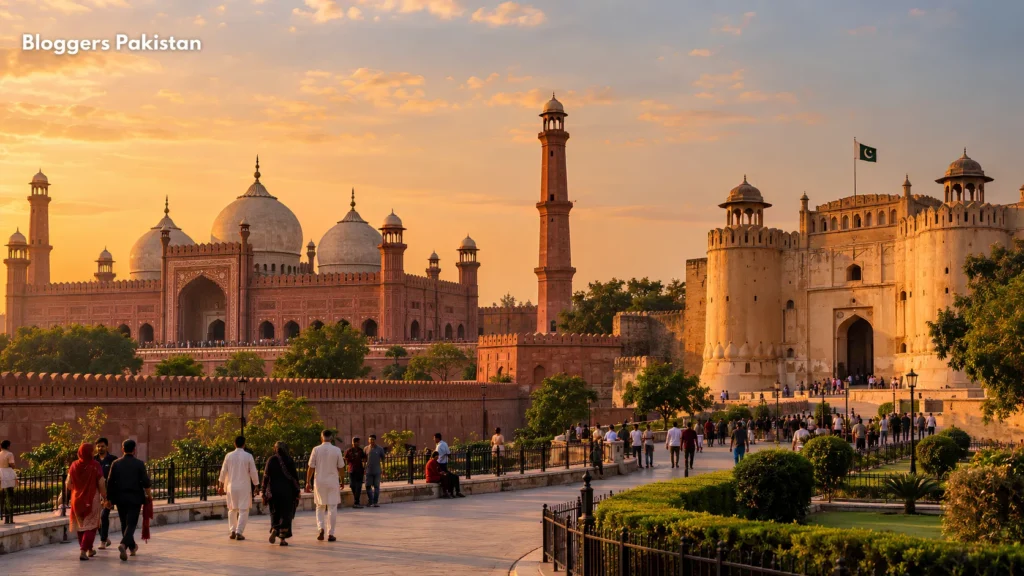
Lahore is much older history. The Badshahi Mosque and the Lahore Fort are some of the best examples of Mughal Architecture. The Walled City has historic streets, mosques, markets, and traditional food.
If you are a lover of cultural heritage, Lahore could be one of the most satisfying urban holidays in the country. In one visit, you get a taste of architecture, local gastronomy, bazaars, museums, and ancient neighborhoods.
Bahawalpur, Peshawar
Peshawar perceives Pakistan’s historical and cultural connections differently from the rest of the region. Its ancient nature and historic markets reflect thousands of years of trade and travel.
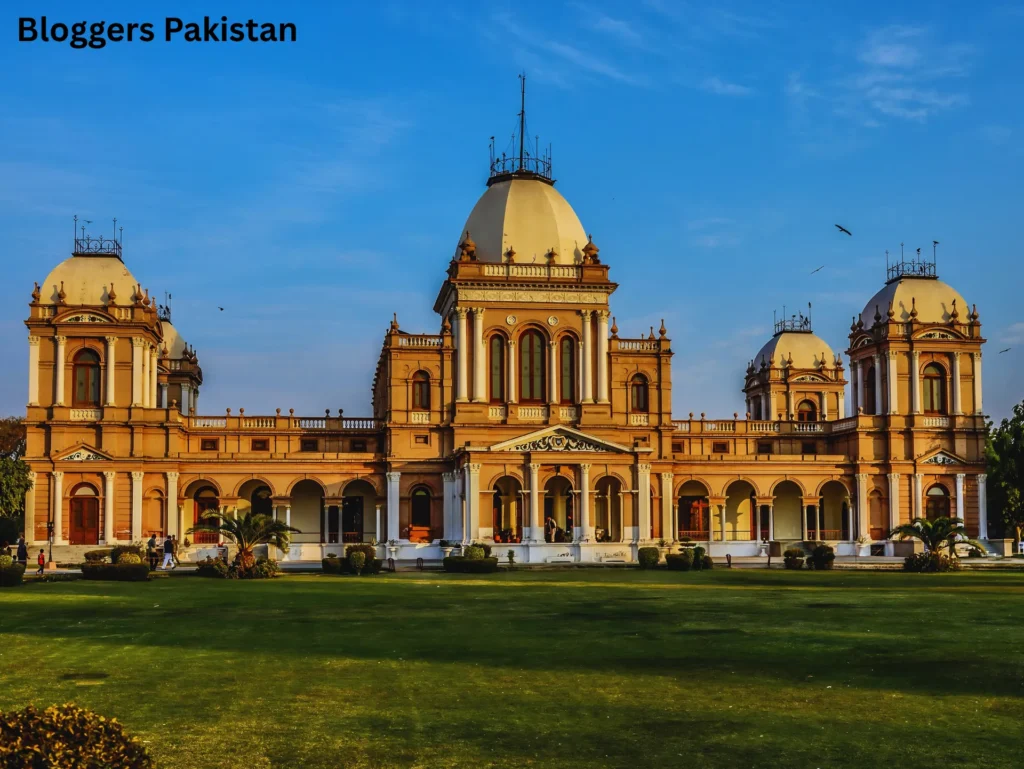
Bahawalpur has architecture to die for. It is the capital of the princely state of Bahawalpur and the gateway to the Derawar Fort and the Cholistan area.
Uch Sharif can also be added to a cultural itinerary for its historical tombs and religious artifacts.
Wagah Border Parcham Ceremony
Local People and Visitors attend for the ceremony, the formal border events, and the atmosphere.
Respectful behavior and compliance with local norms, as with any cultural attraction, help ensure a comfortable experience for everyone.
8. Karachi, Gwadar and the Balochistan Coast
A journey on the Arabian Sea feels very different from the mountains of northern Pakistan. Karachi is the Country’s largest metropolis, with beaches, historic architecture, food, shopping & modern metropolitan life.
Clifton Beach is one of the city’s most renowned coastlines. Mohatta Palace is another nice places to experience historical architecture and cultural shows.
Karachi is a particularly attractive destination for visitors seeking metropolitan culture, gastronomy, markets, and beach vistas.
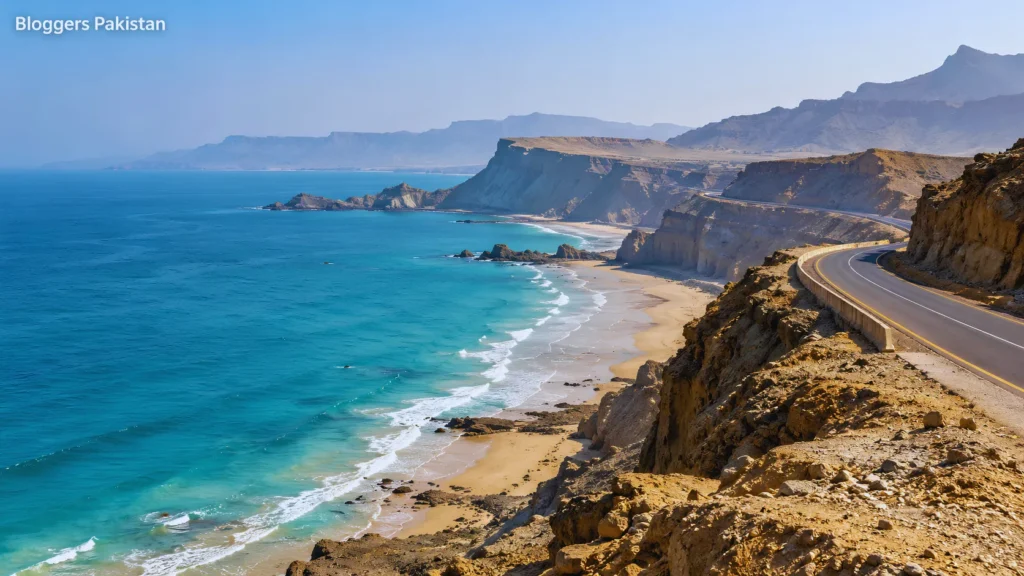
The Country gets rougher the farther west you go. Balochistan’s coastline is dotted with amazing mountains, beaches, cliffs, and isolated stretches of road.
Makran Coast, Hingol National Park
One of the Makran coast‘s biggest attractions is Hingol National Park. Its bizarre rock formations and dry landscape are a world away from the green valleys of northern Pakistan.
The Princess of Hope is one of the region’s most popular natural attractions. Another favorite road-trip stop along the Makran Coastal Highway is Kund Malir.
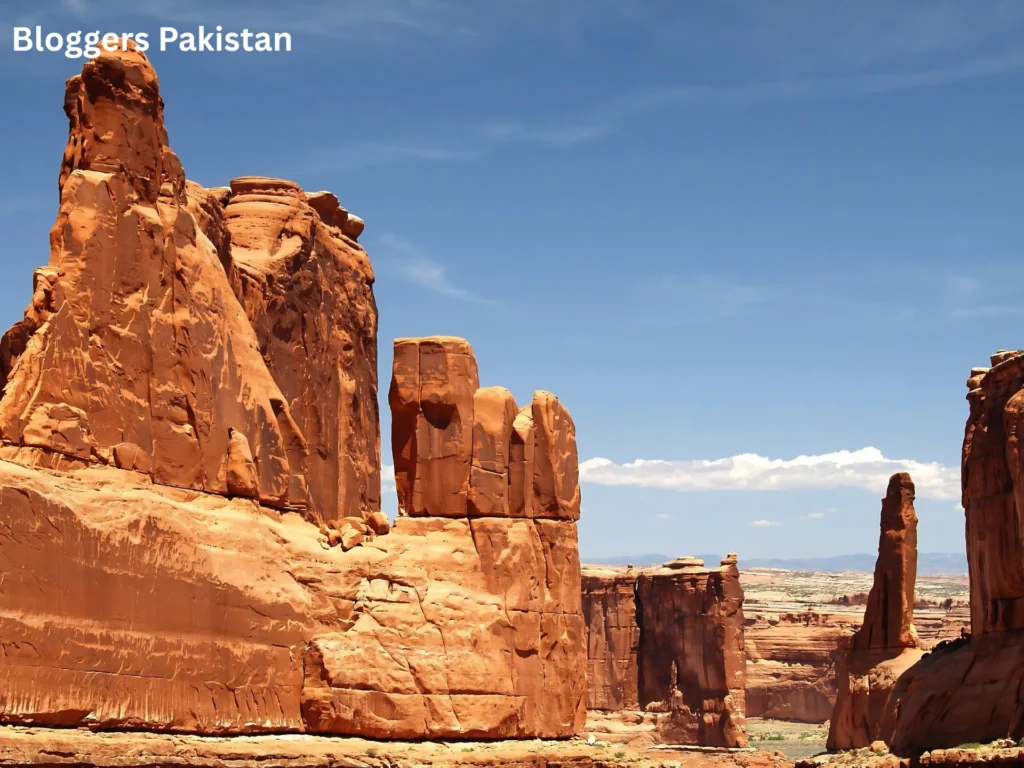
Ormara, Pasni and Gwadar add to the beauty of the seashore. Journeys in remote areas can be long, and services are few; therefore, it is essential to plan your trip.
Gwadar has become an exciting coastal city. The environment is defined by its infrastructure, sea views, and surrounding hills.
So coastal driving is more than just reaching one beach. The changing scenery along the trip is a huge part of the experience.
9. Ancient Civilizations and Cultural Heritage of Pakistan
Pakistan has many historic nice places. Some are linked to ancient civilizations, others to Islamic, Mughal, regional, or colonial history.
Mohenjo-Daro in Sindh is one of the most significant archaeological sites in the Country. It is an old settlement of the Indus Valley Civilization. It shows evidence of advanced urban planning thousands of years ago.
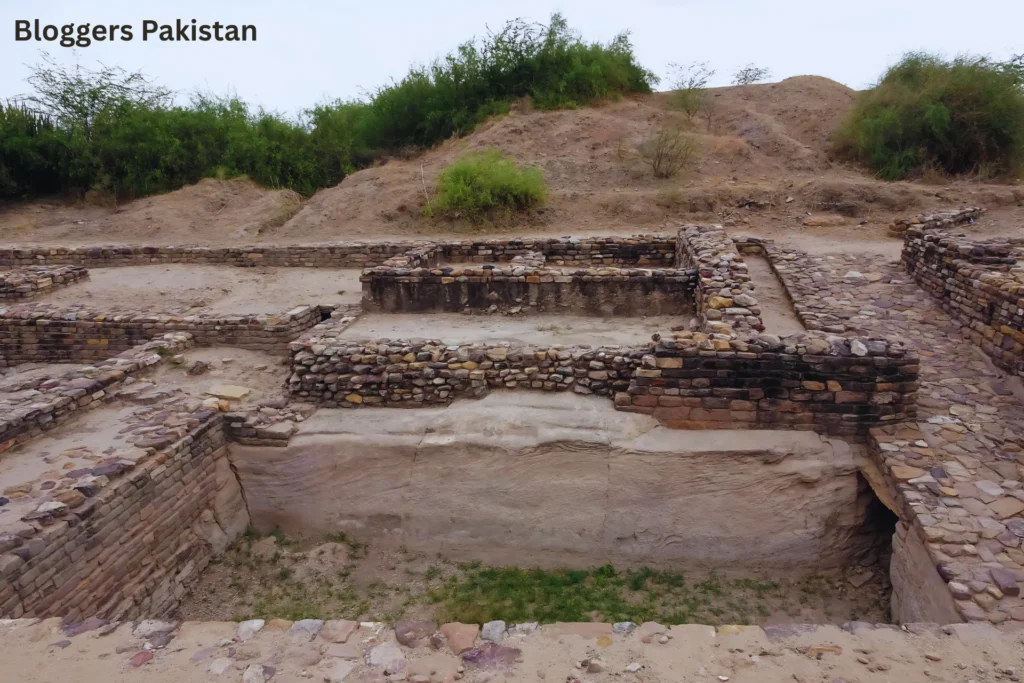
Another great cultural site is Makli Necropolis near Thatta. The different burials give a history and architectural development of the area over centuries.
Lahore Fort is a reminder of the past. The architecture of the fort is influenced by the Mughal Empire and other historic periods. The Tomb of Jehangir is another important monument of the Mughal legacy.
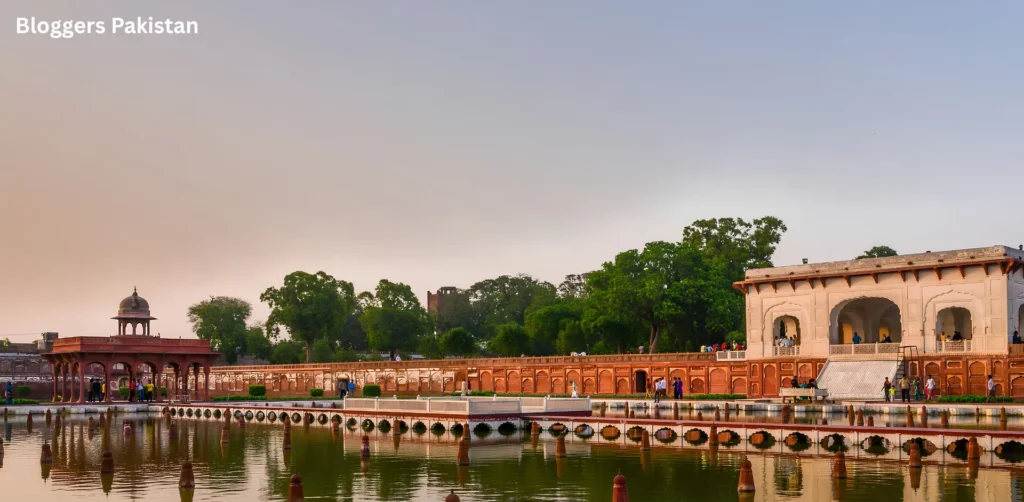
Baltit Fort in Hunza reflects a rich culture and shows how architecture responded to a completely different alpine setting. Another contrast is the Derawar Fort near Cholistan, which towers over the flat desert surroundings.
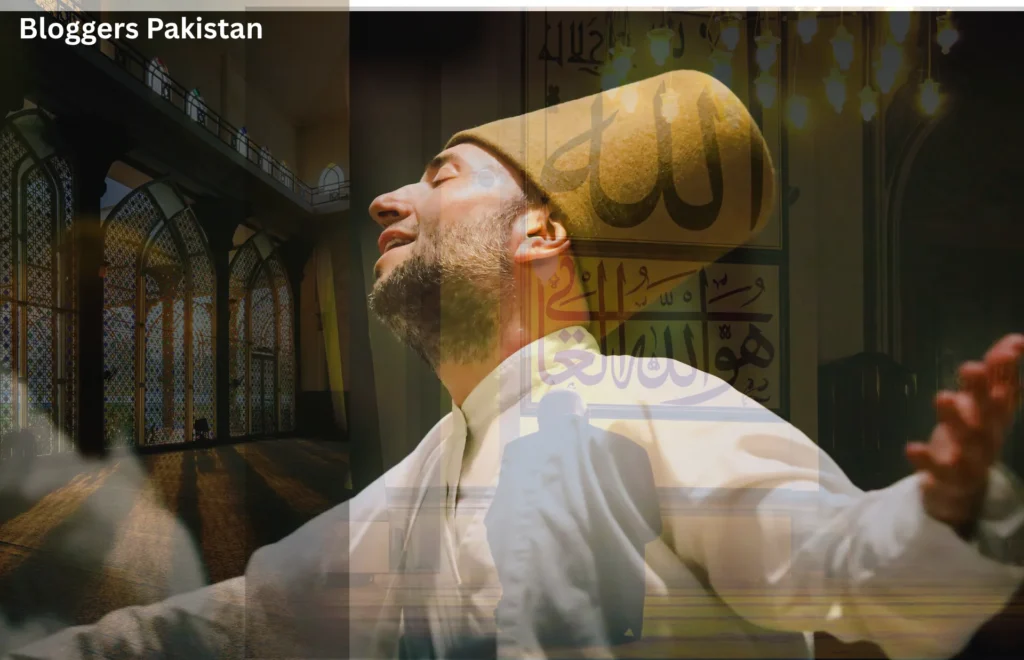
The Islamic Heritage and Sufism
Uch Sharif is known for its ancient burials and religious heritage. Shrines and historic mosques are an important part of Pakistan’s cultural life.
Examples of combining natural features and ancient places in Pakistan: Travel across the Country from alpine settlements to old archaeological sites, from Mughal monuments to the coastline.
Food, Local Culture and Traditions
Travel is also a great way to experience the local culture through its food, markets, crafts, festivals, architecture, and everyday life.
Traditional banquets are very site-specific. Regional foods and ingredients vary by place, including alpine regions and cities such as Lahore, Karachi, and Peshawar.
In more traditional or isolated cultures adherence to local standards is even more important. Dress locally, always ask permission before taking photographs and follow local customs and guidelines.
One of the main reasons to visit Pakistan’s most photographed vistas is its diverse civilizations.
10. Best Time to Visit Pakistan’s Beautiful Places
There is no one best month to visit all the locations in Pakistan. The best time of year depends on elevation, weather, road access, and the experience you want.
In general, the best time to visit northern Pakistan is during the warmer season, when most of the mountain roads and high-altitude places are open. But the valleys open and close at different times.
When to go: Hunza or Skardu?
Although the lower valleys may be in flower and covered with new flora in spring, summer is the season most favored for mountain expeditions. Autumn, with leaves in stunning hues, attracts photographers to Hunza and nearby areas.
Altitudes in Skardu and Deosai can be high. The highest sections are probably only accessible in summer, but the lower areas are likely easier to manage.
When to Go to Fairy Meadows and Nanga Parbat
Mostly, Fairy Meadows is a seasonal visit, as the roads and weather have to be right to get there. Shoulder seasons can be a little unpredictable, but in general it’s easier to travel in the warmer months.
Check local road conditions and weather before going to the Nanga Parbat area.
Swat, Kalam, Naran & Kaghan Valleys
The valleys are especially popular in summer. Families and adventurers are lured to the lush surroundings, rivers, lakes, and pleasant mountain conditions.
Phander, Neelum Yasin, Chitral
Due to their elevation and geography, these areas have varied seasons. Some lower valleys may open earlier while upper roads may be blocked longer.
If you want remote valleys, be flexible because roads can close due to rain, landslides, or other weather disasters.
Best Time to Travel to Lahore & Islamabad
You can visit Islamabad and Lahore any time of year, but comfort depends on the temperature.
Generally, spring and fall are good seasons for out-of-doors sightseeing. Winter is also wonderful for tourists, but summer can be very hot, especially in Lahore.
Best Time to Visit Historical Nice Places in Pakistan
The best time to explore historic places in Pakistan is June, July, and August since the weather is lovely and sunny. Ancient places in low-lying districts like Lahore, Sindh, Bahawalpur, etc. are best seen in the cooler months. This can make late fall, winter, and early spring ideal times for history tours.”
Mohenjo-Daro, Makli, Lahore Fort, Derawar Fort, and other archeological or architectural monuments provide the basis for a cultural tourist itinerary in their own right.
Best time to visit Karachi and the Arabian Sea coast
The climate of Karachi’s south coast differs greatly from that of northern Pakistan. The mild months are ideal for tourism and exploring the seashore.
If you plan to visit Karachi and the Makran seaside in one trip, be prepared for long roads in extremely poor condition.
TRAVEL PLANNING BY YOUR PRIMARY REASON FOR TRAVEL
Don’t think about what you’d rather be doing than this. Pakistan is quite gorgeous.
If you want to visit mountain landscapes, go to the northern valleys at the right time. If you are going for fall photography, plan around the leaves. During cooler months, you can comfortably visit cultural sites and cities.
Get specific information on the route you’ll be taking, not simply generic seasonal information. Weather in Pakistan’s trekking areas varies greatly by altitude and location.
Roads and Weather Condition
When you travel into the mountains, you want to be flexible. Heavy rain, snow, landslides, or other local conditions can make for a difficult day on the road.
Slow acclimatization is also needed for high altitude trips. Hikers on the main mountain routes must watch for altitude sickness and use competent guides if needed.
You will need to carry comfortable clothes, essential medicines, water, power banks, and other travel essentials for isolated areas. In some spots, connectivity can be patchy.
What to Know Before Visiting Pakistan Nice Places from the USA
If you’re visiting from the United States, you might want to arrange an itinerary around one region rather than trying to see the entire Country at once.
For a first trip, you could combine Islamabad and Lahore with a tour to the north via Hunza or Skardu. You might expand your excursion to cover other valleys, historical sites, or the Karachi coast.
Tourism plans can change so before you book check flight schedules, entry procedures, domestic connections, accommodation and local transport.
If you’re traveling north, allow extra time to travel. A minor distance on the map can take a long time because of mountain roads, stops, traffic, and weather.
Explore the Different Terrains of Pakistan
The best way to visit Pakistan is not to try to tick off every destination on a short checklist. Give each region enough time to investigate the terrain and local character.
You can speak with locals, have a traditional meal, or just drive slowly through the mountain valley and nearby villages. No single monument can tell the story of a city with a rich history; its architecture, marketplaces, food, and museums can.
This slower speed allows you time to cope with changing weather and road conditions.
Pakistan Travel Planning Month by Month
The best way to plan a Pakistan trip is to match each month with the regions that are most practical to visit. The table below provides a quick overview. but mountain weather and road accessibility can vary from year to year, so current local conditions should always be checked before departure.
| Month | Northern Pakistan | Cities & Heritage | Coast & Southern Pakistan | Best Travel Focus |
|---|---|---|---|---|
| January | Cold, snow in many high areas; limited access | Good for Lahore, Islamabad and heritage sightseeing | Generally comfortable | Cities, culture and heritage |
| February | Winter conditions continue in high mountains | Pleasant for many city tours | Comfortable coastal weather | Lahore, Islamabad, Karachi |
| March | Spring begins in lower valleys | Excellent for outdoor city sightseeing | Mild to warm | Cities, gardens and lower valleys |
| April | Greenery and blossoms appear in many northern areas | Comfortable for heritage tours | Warmer temperatures begin | Spring landscapes and cultural trips |
| May | Increasingly good access to northern valleys | Hotter in some cities | Warm to hot | Hunza, Swat and mountain valleys |
| June | Excellent period for many accessible northern destinations | Hot in much of the country | Hot, especially inland | Hunza, Skardu and high valleys |
| July | Popular mountain travel season; some rain possible | Hot and humid in many cities | Hot | Northern valleys, lakes and trekking |
| August | Good for many northern destinations; weather can affect roads | Hot and humid | Hot and humid | Mountains, lakes and trekking |
| September | Pleasant conditions and excellent mountain scenery | Temperatures begin easing | Generally warm | Northern Pakistan and road trips |
| October | Autumn colors in many northern valleys; cooler nights | Good for city sightseeing | Comfortable in many coastal areas | Autumn photography and heritage |
| November | Cooler; high-altitude access starts becoming limited | Excellent for many cities | Pleasant coastal season | Cities, culture and lower-altitude travel |
| December | Winter arrives in northern mountains | Comfortable for many urban destinations | Generally pleasant | Lahore, Islamabad, Karachi and heritage |
Final Thoughts
Pakistan has some of the world’s most breathtaking scenery, with majestic mountains, quiet valleys, historic civilizations, historic towns, and lovely beaches.
Every place has its own charms from the awe inspiring peaks of Hunza and Skardu to the picturesque valleys of Swat and Neelum. Lahore is a metropolis of centuries-old Mughal architecture; Sindh has a vital archaeological past; and the coast of Balochistan is harsh along the Arabian Sea.
Pakistan has a surprisingly large selection of things to do – from mountain treks, photography, family holidays, cultural activities, historical places, or quiet landscapes.
For the traveler with an eye for the unusual, willing to travel out of season, to respect local communities and be ready for the unexpected, Pakistan offers a trip of amazing variety.
FAQs about Pakistan Nice Places
What are 7 wonders of Pakistan?

There is no official national list of the “Seven Wonders of Pakistan”. Popular natural and cultural sites include K2, Hunza Valley, Fairy Meadows, Deosai National Park, Badshahi Mosque, Mohenjo-Daro, and Hingol National Park.
What are the top 5 cities in Pakistan?
There is no official ranking of the top five cities in the Country. Pakistan’s major historic cities are Karachi, Lahore, Islamabad, Peshawar, and Quetta.
What is the best area in Pakistan?
It is contingent upon the kind of trip you are taking. Gilgit-Baltistan is famous for its amazing mountains and high altitude terrains whereas Khyber Pakhtunkhwa is known for its green valleys, forests and rivers. Historical/cultural attractions differ between Punjab & Sindh; Balochistan has a harsh coastline/desert beauty.
Which city is very beautiful in Pakistan?
Islamabad is known for its green beauty, its neatness and its proximity to Margalla hills. But Lahore is not like that. The historic architecture of Lahore. The parks. The bazaar. The Mughal heritage.
What is Pakistan famous for?
Pakistan is famous for its high mountains, K2, the grandeur of the Karakoram, ancient civilizations, Mughal architecture, diverse cultures, traditional food, and beautiful valleys.
Who is the famous girl in Pakistan?
Malala Yousafzai is a world-famous advocate for girls’ education. Malala was awarded the Nobel Peace Prize in 2014.
What is special in Pakistan?
One of the most wonderful things about Pakistan is its geographic diversity. It has some of the world’s tallest mountains, alpine meadows, glaciers, deserts, ancient archaeological sites and medieval cities, and coastlines on the Arabian Sea.
Is Pakistan a rich or a poor country?
Pakistan is a low-middle-income country. Its economy is based on agriculture, industry, services, technology, trade, and other industries. Economic situations vary greatly from place to place, and from community to community.
What is the full name of Pakistan?
Pakistan, formerly the Islamic Republic of Pakistan, was established on August 14, 1947.
What are some nice places to visit in Pakistan?
Popular places to visit include Hunza, Skardu, Fairy Meadows, Nanga Parbat, Deosai, Swat, Naran Kaghan, Neelum Valley, Chitral, Islamabad, Lahore, Mohenjo-Daro, Karachi and the Balochistan coast.
What are the best places to visit in Pakistan with family?
You can visit Islamabad, Lahore, Swat, Naran, Hunza and some places in Skardu with your family. Where you go depends on the children’s ages, the length of the trip, road conditions, and the time of year.
What are some famous places of Pakistan with names?
Best Places to Visit in Pakistan are Badshahi Mosque, Faisal Mosque, Lahore Fort, Mohenjo-Daro, Derawar Fort, Hunza Valley, Attabad Lake, Fairy Meadows, Nanga Parbat, Skardu, Deosai Plains, Neelum Valley, K2, Gwadar, and Hingol National Park.
What are the top 10 places to visit in Pakistan?
There is no official top 10, but a useful list might include Hunza, Skardu, Fairy Meadows, Deosai, Swat, Naran Kaghan, Neelum Valley, Lahore, Islamabad, and Mohenjo-Daro. If you love mountains, history, culture, family holidays, or adventure, the best choice depends on you.
What are the most beautiful places in northern Pakistan?
Some of the most scenic and attractive places in Northern Pakistan are Skardu, Hunza, Fairy Meadows, Naltar, Astore, Deosai, Phander, Yasin and some part of Chitral. They all offer their own stunning views and holiday experiences.
What are the best Pakistan nice places to travel for adventure?
There are mountain highways in Fairy Meadows and Skardu, hiking trails in northern valleys and adventures in remote areas like Shimshal and Broghil for adventurous tourists.
Where can photographers find beautiful places in Pakistan?
You can take photos of Hunza, Attabad Lake, Passu, Deosai, Fairy Meadows, Astore, Phander, Naltar, Neelum Valley, Ancient architecture of Lahore and Makran seaside.
What are some hidden places in northern Pakistan?
Reaching remote regions requires extra planning because roads and communications may be inadequate, and housing and transportation may be scarce. Shimshal, Chapursan, Misgar, Broghil, parts of Yasin, Avgharch and the more peaceful areas around Phander.
What is Pakistan best known for in tourism?
Pakistan is known for its high mountains, diverse cultures, historical civilizations, beautiful valleys and unique landscape. Karakoram, K2, Hunza, Skardu, ancient archaeological sites, and historic cities make it one of the world’s most famous tourist destinations.